


Neighborhood Cluster Box
Neighborhood Cluster Box Units that keep delivery organized (and residents happy)
A neighborhood cluster box is the “one-stop” mail delivery point for a community. Instead of carriers visiting individual homes or scattered mailbox locations, mail is delivered to one secure, centralized unit that serves multiple residents.
Most neighborhoods end up here for one of two reasons: you’re replacing old equipment that’s inconsistent, damaged, or no longer working well, or you’re planning a new centralized setup for a growing community that needs a cleaner, more reliable system. Either way, the best outcome comes from treating it like a small planning project, not a quick purchase.
Share whatever details you have, and we’ll recommend a neighborhood cluster box configuration that fits your property and helps you avoid the common “we should’ve planned for this” problems later. Helpful info can include unit count, indoor vs. outdoor placement, and how often residents receive packages, but we can start with whatever you know.
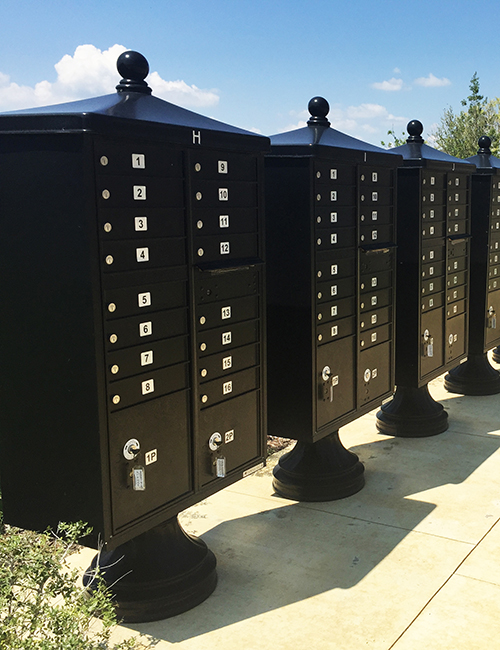
When a neighborhood cluster box makes the most sense
Neighborhood cluster boxes are commonly used for:
-
HOAs and planned communities
-
Townhome and condo neighborhoods
-
New construction communities where centralized delivery is planned up front
-
Properties replacing multiple aging mailbox stations with one standardized solution
If your community has expanded over time, moving to a centralized system can also reduce confusion and ongoing maintenance.
What to decide before you request pricing
Capacity and configuration
How many active recipients do you need to support now, and is the community growing? Ordering “exactly enough” can be risky if unit counts change or you anticipate expansion.
Packages and parcel lockers
Package volume usually doesn’t go down over time. If residents receive frequent deliveries, parcel lockers can reduce overflow, missed deliveries, and complaints.
Outdoor exposure and durability
Outdoor cluster boxes need materials and finishes that hold up to sun, irrigation spray, rain, snow, and daily use. Your environment matters more than people expect.
Placement, lighting, and access
Residents use these in real life conditions: evenings, rain, carrying bags, kids in tow. A good location is easy to approach, easy to see, and feels safe.
Accessibility and usability
Clear numbering, practical reach heights, and adequate space around the unit aren’t “nice-to-haves.” They reduce issues, damage, and resident frustration.
Installation planning that prevents headaches
Most cluster box installs go sideways for two reasons: the pad/mounting plan is an afterthought, or the location is picked without thinking through traffic flow. A quick checklist helps:
-
Is the surface stable and level for the full weight of the unit?
-
Can residents access it without blocking vehicles or walkways?
-
Is there lighting, or should lighting be added?
-
Will landscaping, snow, or parked cars block access?
-
Is the numbering plan consistent with the community’s unit labels?
What to send for the fastest quote
You don’t need perfect specs to start. The fastest way to get accurate recommendations is to send:
-
Community type and location
-
Unit count (and whether you expect growth)
-
Indoor vs outdoor placement
-
Photos of the intended install area
-
Photos of existing mailbox equipment (if replacing)
-
Any USPS guidance/requirements you’ve already been given
Our process
-
You send the basics through the form
-
We confirm capacity, placement, and any constraints
-
We recommend a configuration that fits your site and resident usage
-
We provide pricing, lead time, and next steps
FAQ
Q: Are neighborhood cluster boxes USPS compliant?
A: Many cluster box units are designed to meet USPS requirements, but compliance depends on the specific unit, configuration, and installation details. Share your project basics and we’ll point you toward appropriate options.
Q: Do we need parcel lockers with a neighborhood cluster box?
A: It depends on package volume and how deliveries are handled today. If packages are frequent, parcel lockers can reduce overflow and improve resident experience.
Q: Can a neighborhood cluster box be installed outdoors?
A: Yes. Outdoor installs are common, but you’ll want weather-ready materials and a placement plan that protects access and visibility year-round.
Q: What if we’re not sure where the cluster box should go?
A: Send a site plan or a few photos of candidate areas. We can help you think through traffic flow, visibility, lighting, and practical access so the location works long-term.
Glossary
Neighborhood cluster box (NCBU): A centralized mailbox unit that serves multiple residents in one secure shared system, commonly used in HOAs and planned neighborhoods.
Centralized mail delivery: A delivery approach where mail is deposited at one shared location on the property rather than delivered to individual doors.
Parcel locker: A secure compartment designed for packages, often integrated with mailbox systems to reduce missed deliveries and overflow.
Mailbox configuration: The layout and capacity plan for a mailbox unit, including how many recipients it supports and whether parcel storage is included.
GET IN TOUCH
Have questions or need pricing? We specialize in helping entire communities achieve a beautiful and unified aesthetic theme throughout.
Contact Us