


More Than Just Signs: Building a Better Downtown Experience
More Than Just Signs: Building a Better Downtown Experience
Friday July 03, 2026More Than Signs: Building a Better Downtown Experience
Downtown revitalization projects are about more than new pavement, attractive landscaping, and upgraded infrastructure. Successful downtowns create a sense of place—one that is welcoming, navigable, and reflective of the community's identity. Streetscape signage plays a critical role in achieving these goals by enhancing wayfinding, supporting local businesses, improving visitor experiences, and reinforcing brand identity.
When thoughtfully planned and integrated into the overall streetscape design, signage can transform a downtown district from a collection of individual destinations into a cohesive and memorable environment. Below are key best practices communities should consider when implementing signage as part of a downtown revitalization initiative.
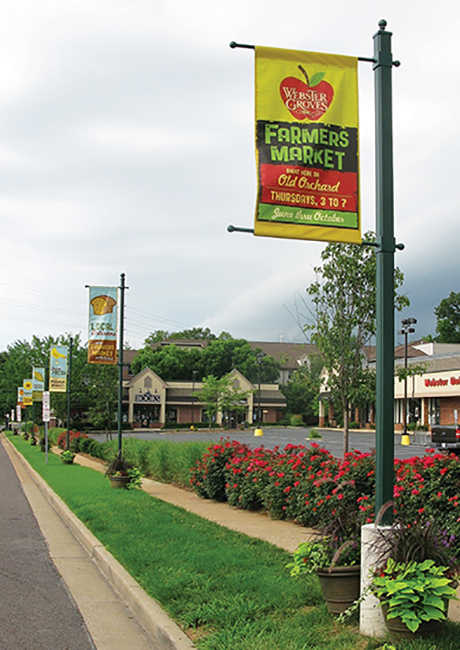
1. Develop a Comprehensive Signage Master Plan
Before installing individual signs, communities should establish a signage master plan that aligns with broader downtown development goals. A comprehensive plan should identify:
Key gateways and entrance points
Pedestrian and vehicular wayfinding routes
Civic and cultural destinations
Parking facilities
Historic districts and landmarks
Commercial and retail areas
By creating a consistent framework, communities can avoid the common pitfalls of fragmented signage systems that confuse visitors and diminish visual appeal.
2. Prioritize Wayfinding and Accessibility
Effective wayfinding signage helps residents and visitors confidently navigate downtown areas. Whether someone is looking for a parking lot, a public building, a local attraction, or a restaurant, clear directional signage reduces frustration and encourages exploration.
Best practices include:
Using easy-to-read fonts and high-contrast colors
Limiting information to essential details
Positioning signs at key decision points
Incorporating universally recognized symbols
Ensuring compliance with ADA accessibility standards
A successful wayfinding system should anticipate user needs and provide information before confusion occurs.
3. Establish a Consistent Visual Identity
Consistency is one of the most important elements of successful streetscape signage.
A unified design approach should incorporate:
Community branding elements
Consistent typography
Coordinated color palettes
Standardized materials and finishes
Recognizable logo placement
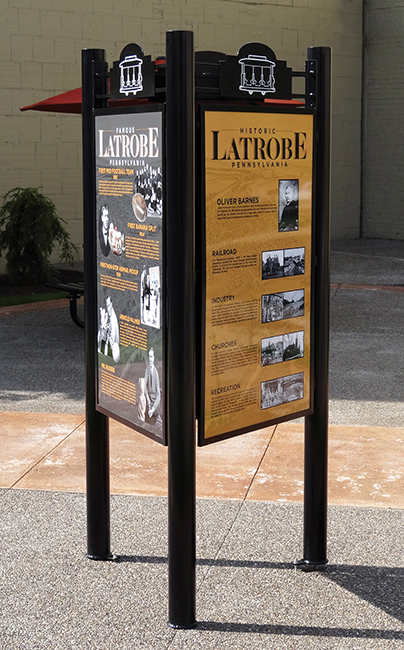
4. Balance Functionality with Aesthetics
While signage must provide practical information, it should also complement the surrounding environment.
Downtown districts often feature unique architectural styles, historical significance, and cultural character. Signage should respect these attributes rather than compete with them.
5. Support Local Economic Development
One of the primary objectives of downtown revitalization is strengthening local businesses. Strategic signage can help achieve this goal by improving visibility and encouraging visitors to explore beyond primary corridors.
Communities should consider:
Business directory kiosks
Walking maps highlighting local destinations
Parking-to-business wayfinding routes
Event and seasonal promotion signage
Digital information displays where appropriate
When visitors can easily find shops, restaurants, and services, they are more likely to spend time—and money—in the district.
6. Incorporate Gateway Features
Gateway signage creates strong first impressions and establishes a sense of arrival.
A well-designed gateway sign serves as both a navigational tool and a branding asset, signaling that visitors have entered a unique and vibrant downtown destination.
7. Plan for Maintenance and Longevity
Even the most attractive signage systems lose effectiveness when they become faded, damaged, or outdated.
Long-term maintenance should be considered from the outset by selecting materials and finishes that withstand weather, vandalism, and everyday wear.
Communities should establish:
Regular inspection schedules
Cleaning and repair protocols
Replacement standards
Procedures for updating information
Investing in durable signage upfront often reduces lifecycle costs and preserves the district's professional appearance.
8. Integrate Technology Thoughtfully
Modern signage can extend beyond traditional static displays.
Depending on community needs and project goals, downtown revitalization efforts may benefit from:
QR codes linked to visitor information
Interactive wayfinding kiosks
Digital event listings
Mobile-friendly mapping systems
Smart city integration opportunities
However, technology should enhance—not replace—the effectiveness of physical signage. Clear, reliable directional information remains essential regardless of digital tools.
9. Engage Stakeholders Throughout the Process
Downtown signage projects are most successful when businesses, residents, municipal leaders, and community organizations contribute to the planning process.
Public input often reveals opportunities and concerns that may not be apparent during the design phase.
Creating Downtowns That Are Easy to Navigate and Memorable to Visit
Streetscape signage is more than a collection of signs—it is a critical component of placemaking, economic development, and community branding. When integrated into a broader downtown revitalization strategy, signage helps create welcoming environments that encourage exploration, support local businesses, and strengthen community identity.
At Forsite, we understand that successful streetscape projects require thoughtful planning, cohesive design, and a long-term vision. From wayfinding systems and gateway features to comprehensive downtown revitalization planning, our team helps communities create vibrant, functional, and attractive public spaces that serve residents and visitors for years to come.
Looking to enhance your downtown streetscape? Contact Forsite to learn how strategic signage planning can support your community's revitalization goals.
